Wine Through Time: The Evolution of Walla Walla's Vineyards
By Naina & Anand · August 5, 2026 · 7 min read
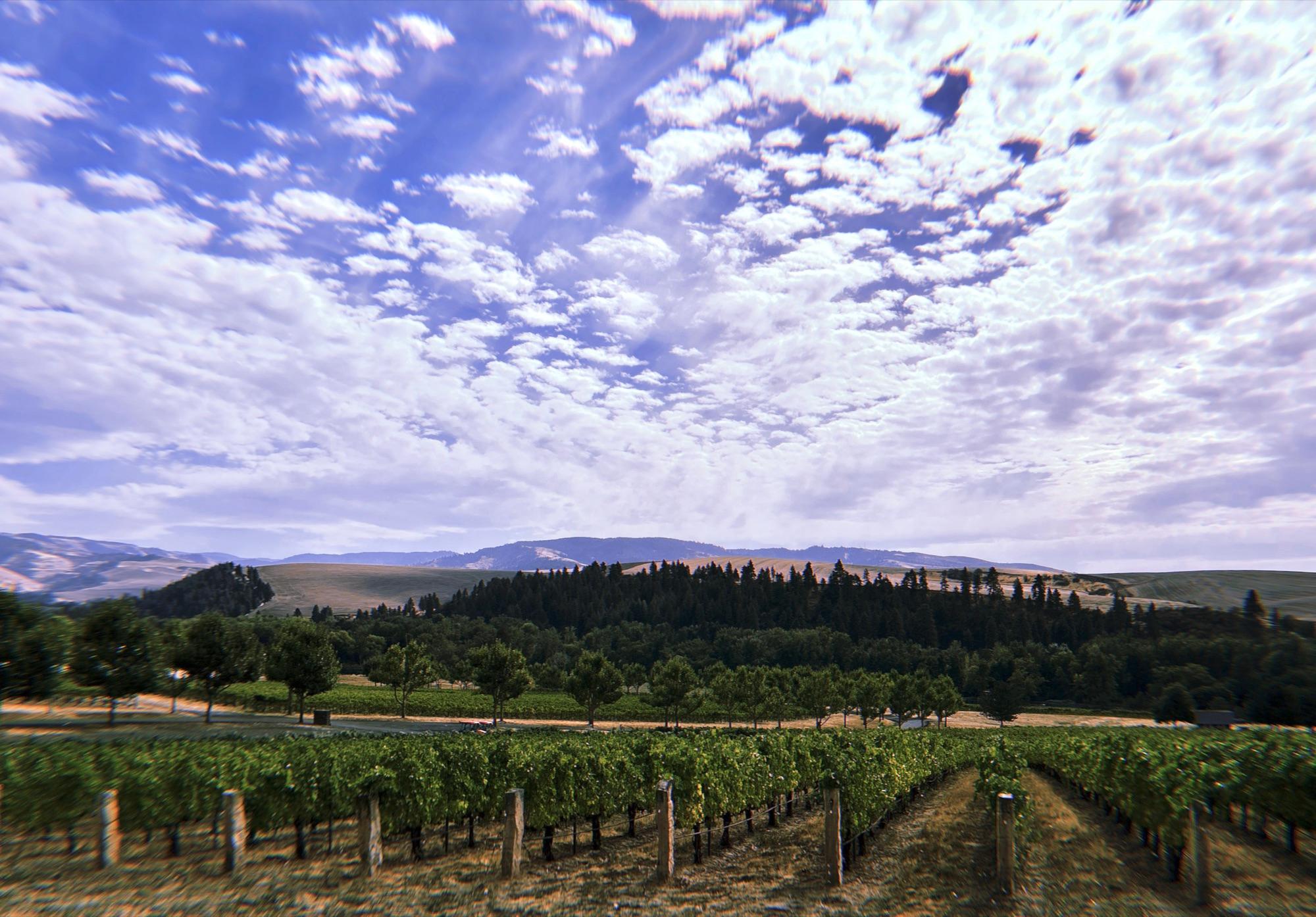
Nestled in the rolling hills of southeastern Washington, Walla Walla has become synonymous with world-class wine. Today the valley boasts more than 120 wineries, drawing visitors from around the globe. But this reputation didn't happen overnight — it's the result of centuries of cultivation, experimentation, and passion. To truly appreciate a glass of Walla Walla wine, it helps to understand the journey of the vineyards that shaped it.
At The Barn Walla Walla, we believe every sip tells a story. When you stay with us, you're not just visiting wine country — you're stepping into its history.
The early roots: missionaries and settlers
Wine in Walla Walla traces back to the mid-1800s, when French missionaries planted the first grapevines. These early plantings were modest, often used for sacramental purposes. Settlers arriving in the valley experimented with small vineyards, but wheat and other crops dominated the landscape.
Still, the seeds of possibility were sown. The valley's unique terroir — its combination of soil, climate, and elevation — was quietly waiting to be discovered.
The dormant years: Prohibition and decline
Like much of America, Walla Walla's wine dreams were interrupted by Prohibition in the 1920s. Vineyards were abandoned, and winemaking nearly disappeared from the valley. For decades, wheat fields and apple orchards defined the region.
Yet beneath the surface, the land remained fertile for viticulture. The basalt-rich soils, long growing season, and dramatic temperature shifts between day and night were ideal for grapes. It would take visionaries to bring wine back.
The renaissance: the 1970s and 1980s
The rebirth of Walla Walla wine began in the 1970s, when pioneers like Gary Figgins of Leonetti Cellar and Rick Small of Woodward Canyon recognized the valley's potential. They planted Cabernet Sauvignon, Merlot, and other varietals, producing wines that quickly gained national acclaim.
By the 1980s, Walla Walla was firmly on the map. Critics praised the bold reds, and wine lovers flocked to taste them. The valley's reputation grew, attracting more winemakers eager to experiment with Syrah, Chardonnay, and lesser-known varietals.
The modern era: diversity and innovation
Today Walla Walla is a thriving region celebrated for its diversity. While Cabernet Sauvignon and Merlot remain staples, winemakers craft everything from crisp Rieslings to earthy Tempranillos. Sub-appellations such as The Rocks District highlight the nuances of terroir, producing wines with distinct character.
Innovation is everywhere — sustainable farming, organic vineyards, and experimental blends showcase the creativity of the valley's winemakers, a place that has become not just a destination for wine but a hub of artistry and community.
The science of terroir
What makes Walla Walla wines so distinctive? It's the terroir. Volcanic basalt and loess deposits create excellent drainage and mineral-rich soils; hot summer days and cool nights balance sugar and acidity in the grapes; and vineyards ranging from 400 to 2,000 feet offer remarkably diverse growing environments.
That combination produces wines with depth, structure, and balance — the reason critics consistently rank Walla Walla among the world's top wine regions.
A legacy of families and community
Walla Walla's wine industry isn't just about grapes — it's about people. Many wineries are family-owned, with generations working side by side, and the community spirit is palpable: winemakers collaborate, share knowledge, and celebrate each other's successes. When you taste here, you become part of a story that spans decades.
Where to stay while you explore it
Wine is best experienced slowly, with time to savor each sip and story. The Barn Walla Walla sits close to both the downtown tasting rooms and the countryside vineyards, pairing rustic charm with modern comfort — the ideal home base for tracing the valley's history through your glass. Book directly with us and settle in.
Common questions
- How many wineries are in Walla Walla?
- The Walla Walla Valley is home to more than 120 wineries, ranging from small family-run producers to internationally known estates. They're spread across six districts: the Westside, where The Barn Walla Walla sits; Downtown, with its walkable tasting rooms; the Southside; the Airport district; the Eastside; and The Rocks District, just across the Oregon line. Most visitors pair a downtown afternoon with a day out among the vineyards.
- When was wine first made in Walla Walla?
- French missionaries planted the valley's first grapevines in the mid-1800s, largely for sacramental use. Prohibition ended that early industry in the 1920s, and commercial winemaking only returned in the 1970s — so today's wine region is roughly fifty years old, built on ground first planted more than 150 years ago.
- Who started the modern Walla Walla wine industry?
- The 1970s revival is credited to pioneers including Gary Figgins of Leonetti Cellar and Rick Small of Woodward Canyon, who planted Cabernet Sauvignon, Merlot, and other varietals and produced wines that drew national acclaim. By the 1980s the valley was firmly established, and other winemakers followed.
- What makes Walla Walla wine distinctive?
- Terroir. Volcanic basalt and loess soils drain well and are rich in minerals; hot summer days paired with cool nights balance sugar against acidity; and vineyards sitting anywhere from 400 to 2,000 feet in elevation give winemakers a wide range of growing conditions within one valley. The result is wine with depth, structure, and balance.
- What grapes does Walla Walla grow best?
- Cabernet Sauvignon and Merlot remain the valley's backbone, with Syrah a signature varietal — particularly from the basalt-cobble soils of The Rocks District sub-appellation. Winemakers also produce everything from crisp Riesling to earthy Tempranillo, and the region has a growing reputation for sustainable and organic farming.