
From Wheat Fields to Wine: The Agricultural Roots of Walla Walla
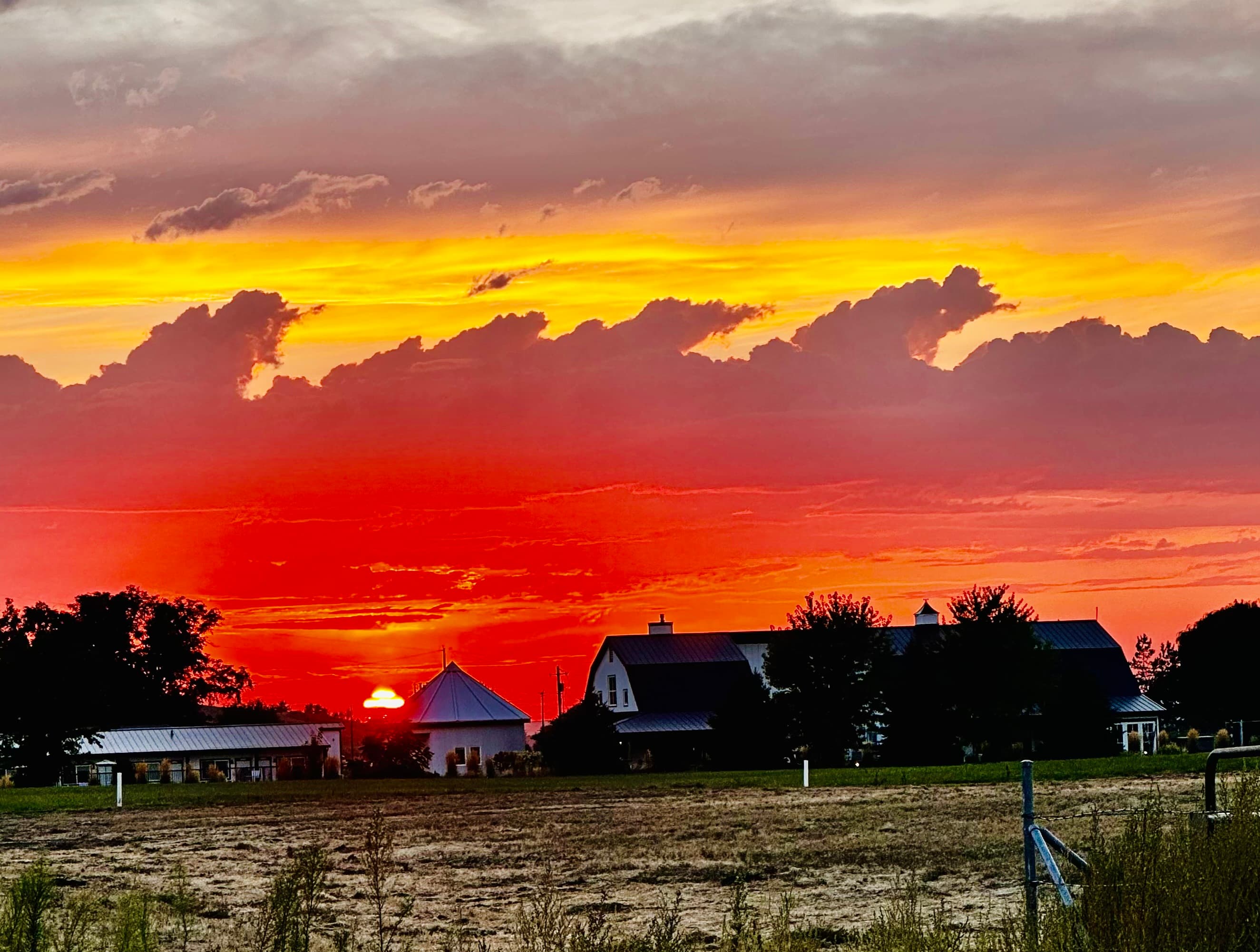
Walla Walla’s beauty is more than scenic vineyards and golden sunsets, it’s a story written in the soil. Long before the valley became one of the most celebrated wine regions in the country, it was a place shaped by wheat, water, and the quiet determination of generations who worked the land. Today, visitors come for world‑class Cabernet and Syrah, but the roots of this valley run far deeper than the vines that now define it.
At The Barn B&B Walla Walla, we love sharing the story of this place, a story that begins not with wine barrels, but with wheat fields that once stretched endlessly across the rolling hills. And when you stay with us, you’re not just visiting wine country, you’re stepping into a living agricultural legacy.
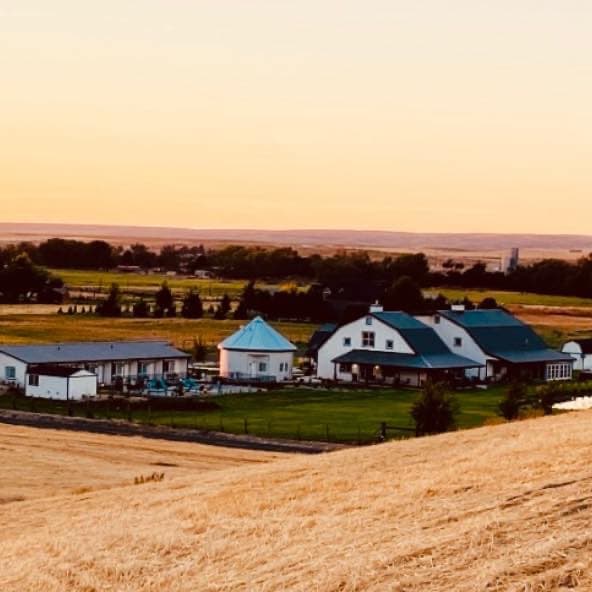
Photo Credit - The Barn B&B Walla Walla
A Valley Shaped by Wheat
Long before the first grapevine took hold, Walla Walla was known for wheat. The valley’s rich loess soil (wind‑blown, fertile, and deep) made it one of the most productive wheat‑growing regions in the Pacific Northwest. By the late 1800s, Walla Walla wheat was feeding communities across the West, and the town became a bustling agricultural hub.
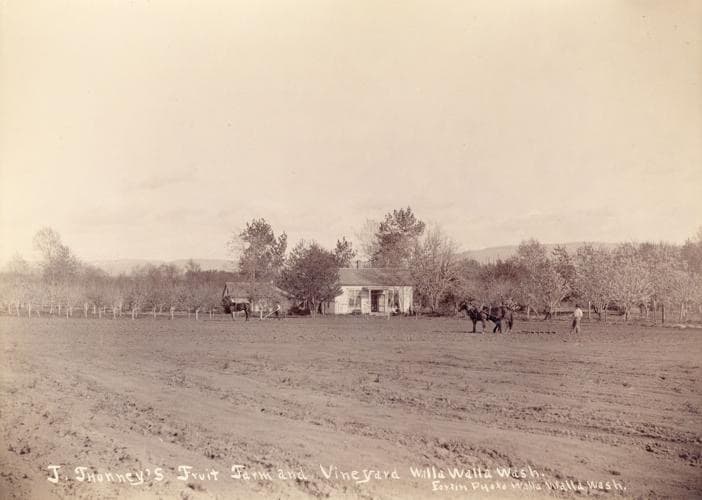
Farmers worked the land with horse‑drawn plows, harvesting grain that shimmered like gold under the summer sun.
The rhythm of the valley was set by the seasons: planting in the fall, waiting through the winter, harvesting in the heat of July.
Wheat wasn’t just a crop, it was a way of life, a source of pride, and the backbone of the local economy.
Even today, as you drive toward The Barn B&B Walla Walla, you’ll see those same rolling hills. Waves of wheat that glow amber in the afternoon light. They’re a reminder that Walla Walla’s agricultural story didn’t begin with wine, but with grain.
If you’re dreaming of a peaceful retreat surrounded by this timeless landscape, we’d love to welcome you. Book your stay and experience the valley’s beauty firsthand.
The Arrival of Water and Possibility
Agriculture in Walla Walla changed dramatically with the arrival of irrigation. In the early 20th century, new water systems transformed what had been dryland wheat country into fertile ground for a wider variety of crops. Suddenly, farmers could grow onions, asparagus, apples, and sweet Walla Walla onions (a local treasure that remains a point of pride).
This shift didn’t replace wheat, it expanded the valley’s agricultural identity. Walla Walla became known for abundance and a place where the soil could nurture almost anything.
And yet, the most transformative crop of all had not yet arrived.
The First Vines Take Root
The modern wine era in Walla Walla began quietly in the 1970s, when a handful of visionary growers planted the valley’s first commercial vineyards. They saw something in the soil. The same qualities that had made wheat thrive for generations: depth, minerality, and a unique ability to hold moisture.
The early winemakers believed Walla Walla could produce wines that rivaled the great regions of the world. They were right.
By the 1990s, Walla Walla wines were earning national attention. Today, the valley is home to more than 120 wineries and is recognized internationally for its bold reds, elegant whites, and distinctive sense of place.
When you stay at The Barn B&B Walla Walla, you’re just minutes from some of the valley’s most celebrated tasting rooms on the Westside. Whether you’re exploring the Southside wineries, the airport district, or downtown’s charming tasting rooms, you’re tasting the result of decades of passion, experimentation, and agricultural heritage.
If you’re planning a wine‑country getaway, now is the perfect time to reserve your room and enjoy the best of the valley.

Photo Credit - Laura Rose-Grabinski
From Wheat to Wine: A Shared Story of the Land
Though wheat and wine may seem worlds apart, they share a common thread: the land itself.
The same loess soils that nourished wheat for generations now give Walla Walla wines their signature depth and character. The same farmers who once harvested grain now tend vines, often with the same families working the same fields.
Agriculture here isn’t just an industry, it’s a lineage.
Many of the valley’s winemakers come from farming families who understand the land intuitively. They know how to read the soil, how to work with the seasons, and how to coax the best from each harvest. Their wines are an extension of that heritage, a new chapter in a story that began long before the first tasting room opened its doors.
When you sip a glass of Walla Walla wine, you’re tasting more than fruit. You’re tasting history and the evolution of a valley shaped by hands that have worked this soil for more than a century.
The Barn B&B: A Modern Retreat Rooted in Tradition
Our own story at The Barn B&B Walla Walla is woven into this agricultural tapestry. Surrounded by wheat fields and vineyards, our property sits at the intersection of the valley’s past and present. The peaceful countryside setting, the wide‑open skies, the scent of earth warming in the sun, it’s all part of the experience.
Guests often tell us that staying here feels like stepping into the heart of Walla Walla’s story. You wake to the sound of birds over the fields. You sip your morning coffee with views of the Blue Mountains. You end your day with a glass of local wine as the sun sets over the wheat.
It’s a place where the valley’s agricultural roots are not just visible, they’re alive.
If you’re longing for a getaway that blends comfort, beauty, and a deep sense of place, we invite you to book your stay and experience the valley’s heritage in every sunrise and every sip.
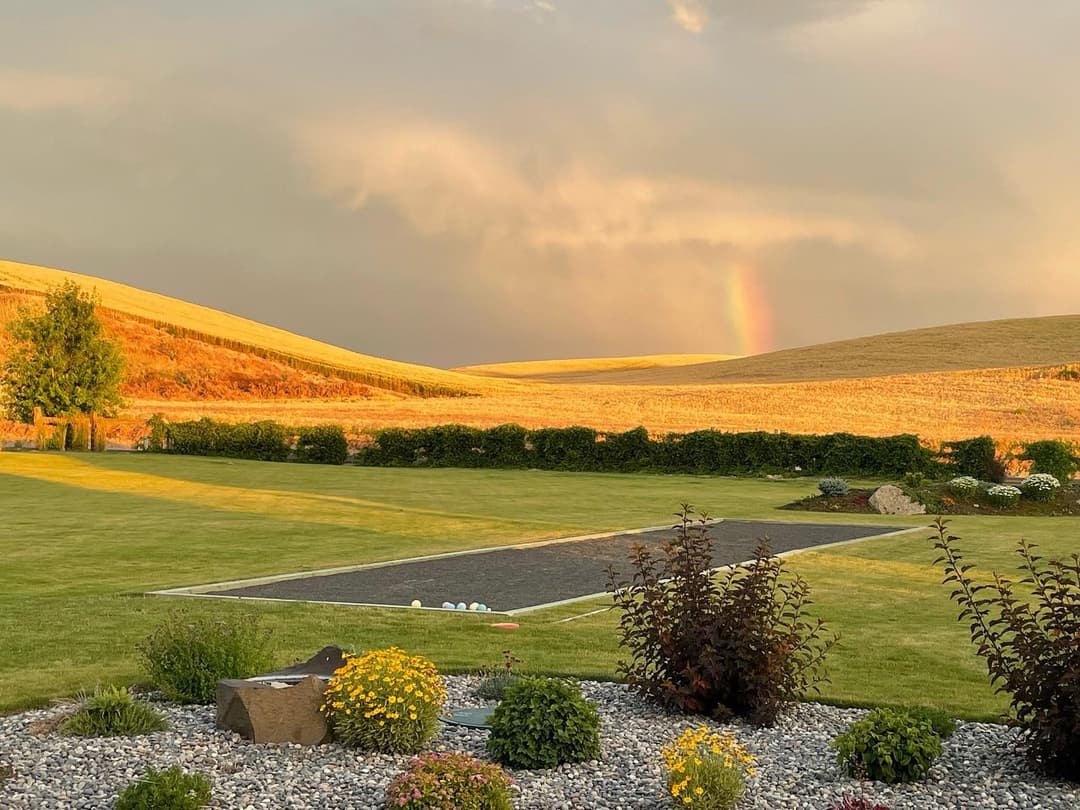
Photo Credit - The Barn B&B Walla Walla
A Valley That Continues to Grow
Walla Walla’s agricultural story is still unfolding. Wheat remains a vital part of the landscape. Vineyards continue to expand. New crops, new techniques, and new generations of farmers and winemakers are shaping the valley’s future.
But through all this growth, one thing remains constant: the land itself. Generous, resilient, and deeply rooted in tradition.
Whether you come for the wine, the scenery, or the quiet beauty of the countryside, you’re stepping into a place shaped by centuries of cultivation and care.
And we would be honored to host you as you explore it.